Ullarf Script Font for Elegant Web Design
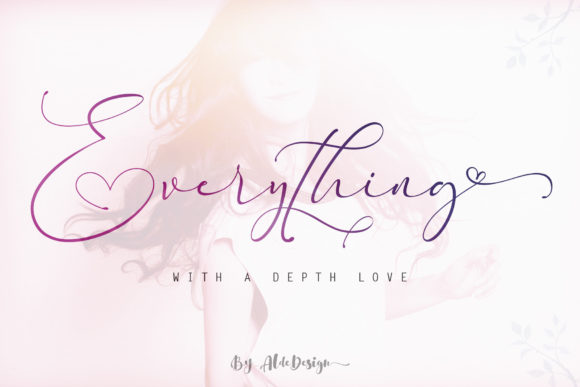
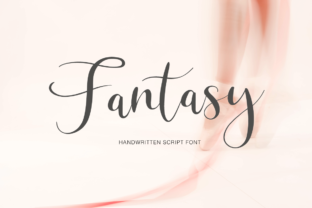
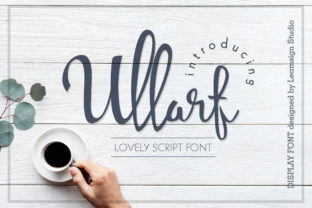
When integrating Ullarf into a digital project, web designers immediately recognize the value of high-quality Script Handwritten Fonts that balance aesthetic appeal with functional clarity. As a UI designer, I often search for typefaces that can elevate a brand’s visual hierarchy without sacrificing readability on various screen sizes. Ullarf serves as a powerful tool in this regard, offering a lovely script aesthetic that is perfect for branding, headers, and any design element requiring an elegant touch. Unlike generic display fonts, this typeface brings a humanized, organic feel to digital interfaces, making it ideal for creating emotional connections with users on landing pages, online stores, and portfolio sites.
Enhancing Visual Hierarchy with Ullarf in Hero Sections
Incorporating Ullarf into hero sections allows digital creators to establish an immediate tone of sophistication and warmth. When working with Script Handwritten Fonts, the primary challenge is ensuring the text remains legible against complex backgrounds or on mobile devices. Ullarf addresses this by maintaining distinct letterforms that do not blur together, even at larger sizes. For a coaching website or a boutique online store, using Ullarf for the main headline draws the eye instantly, guiding the user’s scanning behavior toward the call-to-action button. This strategic use of typography supports conversion-focused layouts by differentiating the primary message from secondary information. The elegance of the script contrasts beautifully with clean, sans-serif body copy, creating a rhythmic visual flow that keeps users engaged as they scroll through the content.
Optimizing Ullarf for Mobile Responsiveness and Readability
While Ullarf excels in desktop environments, its application in responsive web design requires careful consideration of scale and spacing. Script Handwritten Fonts can sometimes lose detail on smaller screens, but Ullarf’s robust stroke weight helps maintain integrity across devices. When designing for mobile, I recommend using Ullarf strictly for short phrases, logos, or section headings rather than long paragraphs. This ensures that the elegant touch remains a decorative accent rather than a readability hurdle. Testing the font on various breakpoints is essential to confirm that the loops and tails of the script do not overlap with adjacent elements. By limiting its use to key visual anchors, such as banner titles or testimonial quotes, designers can preserve the font’s charm while ensuring a seamless user experience on smartphones and tablets.
Building Brand Identity with Ullarf for Digital Packaging
For online stores and digital product creators, Ullarf offers a versatile solution for branding that extends beyond the website interface. Although originally noted for product packaging, this Script Handwritten font translates effectively to digital assets like social media graphics, email headers, and downloadable PDFs. Consistency in brand identity is crucial for building trust, and using Ullarf across these touchpoints creates a cohesive narrative. Whether it is a wedding invite template sold on a marketplace or a branded course certificate, the font’s elegant style adds perceived value to the product. Digital entrepreneurs can leverage this by incorporating Ullarf into their logo design or as a signature element in their marketing materials. This approach not only enhances the aesthetic appeal but also reinforces brand recognition, making the business appear more professional and established in a crowded online landscape.
Pairing Ullarf with Sans Serif and Serif Typefaces
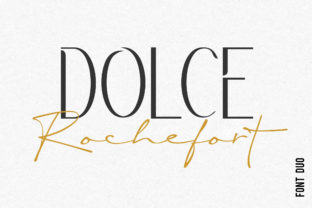
Effective font pairing is critical when using decorative Fonts like Ullarf in modern typography. To maximize impact, I typically pair this Script Handwritten typeface with a neutral sans serif font for body text. This combination provides a clean, readable foundation that allows Ullarf to shine as a display element without competing for attention. For editorial-style blogs or luxury brand websites, pairing Ullarf with a classic serif font can create a more sophisticated, high-end atmosphere. The contrast between the flowing curves of the script and the structured lines of the serif or sans serif creates visual interest and depth. Designers should experiment with weight and size differences to establish a clear hierarchy, ensuring that the script font is used sparingly for emphasis while the supporting typeface handles the bulk of the informational content. This balance is key to maintaining professionalism while adding a creative flair.
Driving Conversions with Ullarf in Landing Page Design
Landing pages require precise typographic choices to guide users toward a specific action, and Ullarf can play a pivotal role in this process. As a Script Handwritten font, it adds a personal, authentic touch that resonates with audiences seeking connection, such as those visiting a creative portfolio or a service-based business site. Using Ullarf for testimonials, founder signatures, or limited-time offer headers can increase engagement by making the content feel more human and less corporate. However, it is vital to ensure that the font does not distract from the primary conversion goals. By restricting Ullarf to emotional triggers and key headlines, designers can enhance the persuasive power of the layout. The elegant touch of the script font elevates the overall design quality, which indirectly boosts credibility and encourages users to trust the brand enough to make a purchase or sign up.
Technical Considerations for Webfont Implementation
Before deploying Ullarf on a live website, developers and designers must address technical aspects related to Script Handwritten Fonts. Ensuring the availability of webfont formats such as WOFF2 is essential for fast loading times and broad browser compatibility. Slow-loading fonts can negatively impact user experience and SEO rankings, so optimizing file size is a priority. Additionally, checking for multilingual support and alternate characters can expand the font’s usability for global audiences. Commercial font licensing is another critical factor; designers must verify that their license covers web usage, especially for client projects or high-traffic online stores. Proper implementation includes setting appropriate line heights and letter spacing in CSS to prevent the script’s intricate details from clashing with other elements. By addressing these technical requirements, creators can ensure that Ullarf performs reliably and looks stunning across all digital platforms.